
When business owners contact Signs and More about a new sign, the conversation usually starts with pricing. While budget is important, we've found that the businesses that get the best results focus on a different question first: What type of sign will help more customers find and remember my business?
 After designing, manufacturing, and installing signs throughout Metro Atlanta for decades, we've noticed that the same questions come up again and again. Here are the answers we believe every business owner should know before investing in new signage.
1. How Much Business Am I Losing Because Customers Can't Find Me?
Many business owners underestimate how much visibility affects sales. If customers drive past your location every day without noticing your business, you're missing opportunities before a conversation ever begins.
Effective signage offers a key advantage: it attracts people who are already nearby and ready to engage. Unlike social media or broad-based advertising, well-designed signage draws in potential customers who are physically within your immediate area.
At Signs and More, we've worked with businesses that had excellent products, strong customer service, and competitive pricing, yet struggled to attract new customers because their signage wasn't doing its job.
Your sign is often the first impression customers have of your business. If it's difficult to see, outdated, poorly illuminated, or simply blends into the surrounding environment, potential customers may never realize you're there.
Before investing in any new signage, ask yourself a simple question: Would someone who has never visited my business be able to find me easily?
2. Is My Sign Designed for Drivers or Pedestrians?
One of the most common mistakes we see is a sign that looks great up close but is difficult to read from the road.
Most customers don't first see your business while standing directly in front of it. They see it while driving, often at speeds of 35 to 55 miles per hour.
A beautiful logo won't help if it's too small to read. Decorative fonts may look impressive on a computer screen but become difficult to decipher from a distance.
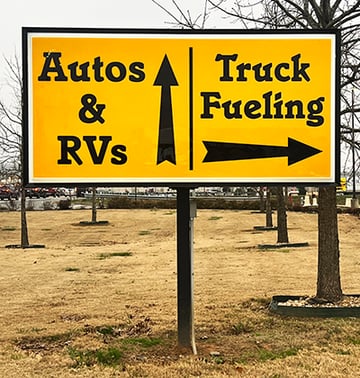
Effective signs prioritize readability through:
- Proper letter sizing
- Strong color contrast
- Strategic placement
- Adequate illumination
- Clear messaging
A sign only has a few seconds to capture attention. Making those seconds count can significantly impact customer traffic.
3. Should I Repair My Existing Sign or Replace It?
Not every project requires a completely new sign.
Many businesses can extend the life of their existing signage through updates such as:
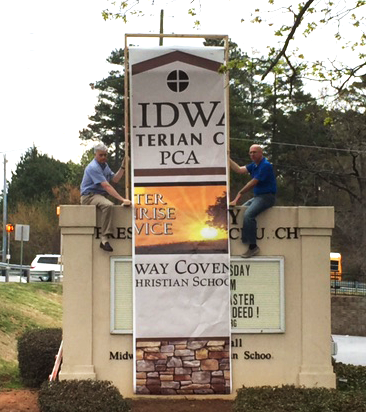
- New sign faces
- LED lighting upgrades
- Fresh paint
- Updated graphics
- Replacement lettering
- Structural repairs
However, there are situations where replacement makes more sense. Older signs may no longer comply with local regulations, have structural issues, or simply fail to reflect the current brand image of the business.
At Signs and More, we evaluate both options and help clients determine which solution provides the best long-term value.
4. Why Do Some Signs Get Noticed While Others Get Ignored?
The answer usually isn't budget.
Some of the most expensive signs we see are surprisingly ineffective, while some relatively simple signs consistently attract attention.
The difference often comes down to fundamentals.
Successful signs typically share several characteristics:
- Simple, easy-to-read designs
- High visibility from key viewing angles
- Proper sizing for the environment
- Strong contrast between text and background
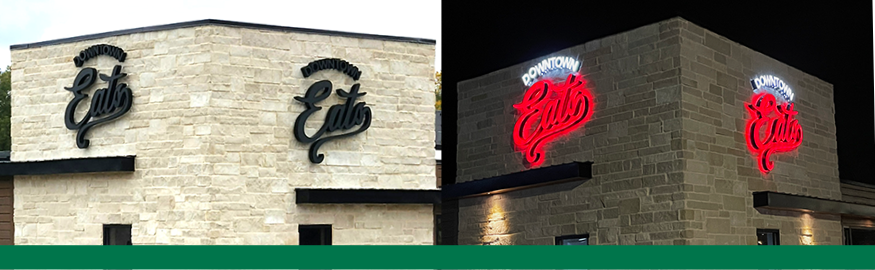
- Effective lighting for nighttime visibility
The goal isn't simply to create an attractive sign. The goal is to create a sign that communicates quickly and clearly.
5. What Type of Sign Delivers the Best Return on Investment?
There isn't a one-size-fits-all answer.
The best sign for a retail store may be completely different from the best sign for a medical office, industrial facility, church, apartment community, or corporate headquarters.
Some of the most common high-performing sign types include:
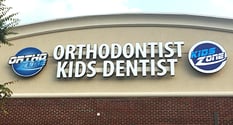 Lighted Channel Letters
Ideal for storefronts and commercial buildings where visibility and professional branding are priorities.
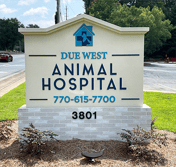 Monument Signs
Excellent for office parks, schools, churches, healthcare facilities, and residential communities.
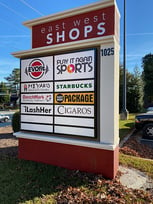 Pylon Signs
Designed to attract attention from longer distances and higher traffic roadways for shopping or business centers
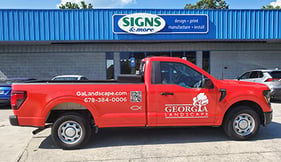 Vehicle Graphics
A cost-effective way to generate impressions wherever your team travels.
Interior Signs
Important for reinforcing branding, improving customer experiences, and guiding visitors through your facility.
The best investment is usually the sign that solves your biggest visibility challenge!
6. How Large Should My Sign Be?
Bigger isn't always better.
A sign should be sized based on viewing distance, traffic speed, building architecture, and local sign regulations.
A sign that is too small can be difficult to read. A sign that is too large can overwhelm the building and create aesthetic concerns.
Finding the right balance is critical.
During the design process, we help clients determine appropriate sign dimensions that maximize visibility while remaining compliant with local requirements.
7. Does My Business Need Illuminated Signage?
For many businesses, the answer is yes.
Illuminated signs offer advantages that extend beyond businesses operating at night.
Customers continue seeing your brand after hours. Employees arrive before sunrise during certain times of the year. Visitors often rely on illuminated signs to locate businesses during poor weather conditions.
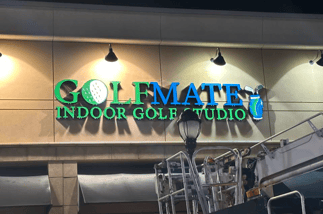 Popular illuminated options include:
- Front-lit channel letters
- Halo-lit letters
- Cabinet signs
- LED monument signs
- Backlit displays
Modern LED technology also provides excellent energy efficiency and long-term reliability.
8. Are Local Sign Regulations Going to Affect My Project?
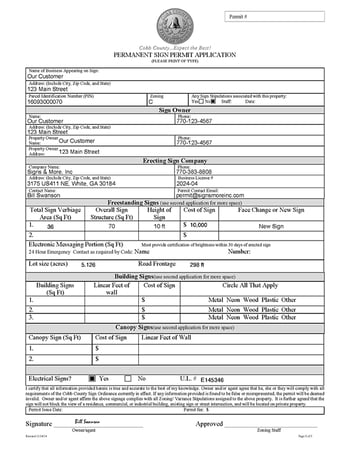 Many business owners don't realize how much local regulations can impact sign design and installation.
Depending on your location in the city or unincorporated area, requirements may affect:
- Sign size
- Height
- Illumination
- Placement
- Materials
- Structural design
Shopping centers and commercial property managers often have additional signage criteria beyond municipal regulations.
Understanding these requirements early helps avoid delays and unexpected costs.
9. What Is the Difference Between a Cheap Sign and a Profitable Sign?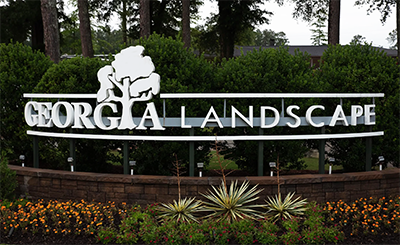
The cheapest sign isn't always the most affordable option.
Low-quality materials, poor installation practices, and inadequate design can lead to higher maintenance costs, shorter lifespans, and reduced visibility.
A profitable sign is one that consistently helps customers find your business, reinforces your brand, and performs well for years.
When viewed over the life of the sign, quality provides the greatest value.
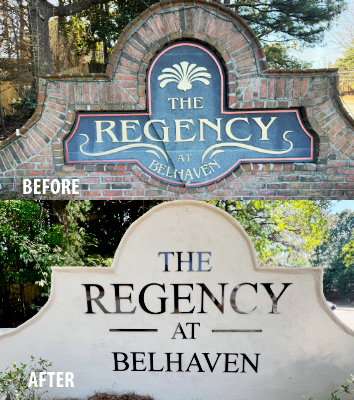 10. Can My Existing Sign Structure Be Reused?
In many situations, yes.
Reusing an existing structure can reduce costs and shorten project timelines.
However, factors such as age, condition, code compliance, and future maintenance requirements must be evaluated before making that decision.
A professional inspection can determine whether reuse is a practical option.
11. How Long Does a Sign Project Really Take?
The timeline depends on the complexity of the project.
Most sign projects involve:
- Consultation
- Design
- Approval
- Permitting
- Fabrication
- Installation
Simple projects may move quickly, while larger custom signs often require additional time for permitting and manufacturing.
Planning ahead is one of the best ways to avoid unnecessary delays.
12. Which Sign Type Is Best for My Industry?
Different industries often benefit from different signage solutions.
Retail businesses frequently choose channel letters and window graphics.
Medical offices often rely on monument signs, directional signs, reception signs, and interior wayfinding systems.
Industrial facilities commonly need building identification signs, safety signage, and directional systems.
Office environments often prioritize monument signs, lobby signs, and suite signage.
The right solution depends on your customers, location, and business goals.
13. Is My Branding Consistent Across All Signs?
Consistency builds trust.
When customers encounter different logos, colors, messaging, or design styles across multiple signs, it can create confusion.
Strong branding should extend across:
- Exterior signs
- Interior signs
- Vehicle graphics
- Directional signs
- Window graphics
- Trade show displays
A cohesive visual identity helps customers recognize and remember your business.
14. How Do I Know When It's Time to Upgrade My Sign?
If you've been asking that question, it may already be time.
Common signs that an upgrade is needed include: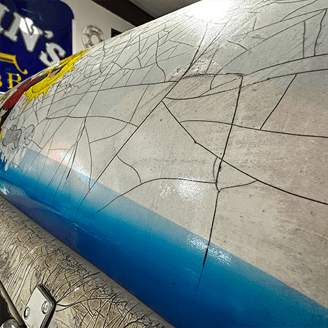
- Faded graphics
- Outdated branding
- Lighting failures
- Structural deterioration
- Poor visibility
- Increased competition nearby
A modern, professionally designed sign can improve visibility, strengthen brand perception, and help attract new customers.
15. What Should I Look for in a Sign Company?
Choosing the right sign partner can make a significant difference in the success of your project.
Look for a company that offers:
- Design expertise
- Manufacturing capabilities
- Installation services
- Permit assistance
- Industry experience
- Local knowledge
A sign company should be more than a vendor. It should be a partner that understands how signage supports your overall business objectives.
Ready to Improve Your Business Visibility?
At Signs and More, we've helped businesses throughout Metro Atlanta create custom signage solutions that attract attention, strengthen brands, and make it easier for customers to find them.
Whether you're considering channel letters, monument signs, pylon signs, interior branding, vehicle graphics, or a complete signage upgrade, our team can help you determine the right solution for your location and goals.
Contact Signs and More today to discuss your project and discover how the right signage can help your business stand out in Atlanta's competitive marketplace.